


Imagine a crisp spring morning, ideal for tackling your overgrown lawn. You head to the garage, eager to unleash your trusty mower, but a question stops you: "Should I charge this new battery before I mow?"
Some resources may offer simple yes or no answers, but reality requires a more nuanced approach. This article explores the world of lawn mower batteries, shedding light on lesser-known facts about lead-acid and lithium-ion batteries to equip you with the knowledge for optimal mower performance.
Key Takeaways
- Whether you need to charge depends entirely on the battery chemistry (lead-acid or lithium-ion).
- Lead-acid batteries typically arrive precharged and are ready for immediate use out of the box.
- Lithium-ion batteries must be charged before the first use, as they are shipped partially discharged.
- For lithium-ion, avoiding a full 100% saturation charge before the first use is actually better for prolonging the battery's lifespan.
- Regardless of type, a charge is always necessary if the battery has been in extended storage or exposed to temperature extremes before purchase.
Do Lawn Mower Batteries Come Charged?
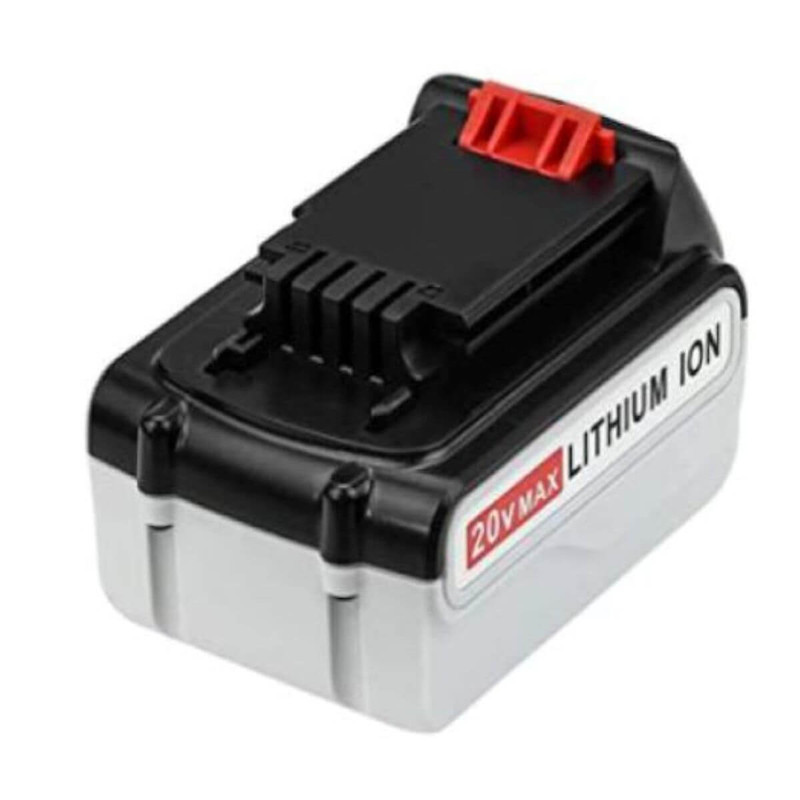
Lead-Acid Batteries: There is some good news for homeowners with lawn mowers equipped with lead-acid batteries. These batteries typically arrive precharged from the factory, providing sufficient power for the initial mowing session.
Lithium-Ion Batteries: Lithium-ion batteries must be charged before first use. They are typically shipped partially discharged, around 50%.
Lithium-ion batteries do not need to be fully charged like lead-acid batteries, and it's actually better not to do so. The high voltage of fully charging can stress the battery. Choosing a lower voltage threshold or eliminating the saturation charge altogether can prolong the battery's life. Source: Battery University
When Charging Might Be Necessary
Regardless of battery type, a few situations warrant a preemptive charge:
Extended Storage: Did you purchase your mower well before the mowing season? Some charge might be lost over time, regardless of battery type (lead-acid or lithium-ion). A quick charge can ensure a smooth start to your mowing season.
Temperature Extremes: Improper storage can affect both battery types. Always refer to your mower's manual for proper storage recommendations.
Lead-acid batteries work best at moderate temperatures. Keep this in mind.
"The optimum operating temperature for the lead-acid battery is 25°C (77°F). As a guideline, every 8°C (15°F) rise in temperature will cut the battery life in half." Source: osti.gov U.S. Department of Energy
Lithium-ion batteries experience stress when exposed to heat. A battery operating above 30°C (86°F) is considered to be at an elevated temperature.
How to Charge a Lawn Mower Battery
Remember, using the correct battery charger designed for your lawn mower's battery is not just about efficiency—it's also a matter of safety. Chargers are specifically calibrated to the battery's voltage and current requirements, mitigating the risk of overheating or other charging problems.
Download our FREE Safely Charging Your Lawn Mower Battery Guide
Download Safely Charging Your Lawn Mower Battery Guide
Wrapping it up!
The key takeaway for any new battery is based on chemistry: Lead-acid batteries are typically pre-charged and ready to go, while lithium-ion batteries must be charged before their first use.
More importantly, your initial actions determine long-term success. Always remember that a charge is necessary if the battery has been stored for long periods or exposed to temperature extremes.
Remember, charging correctly is just the first step. To ensure optimal long-term performance and to fully protect your investment, learn about battery usage, proper storage techniques, and maintenance tips in our guide: How Long Do Lawn Mower Batteries Last?
Do you charge your new lawn mower battery before mowing? Share your experience in the comments below.
